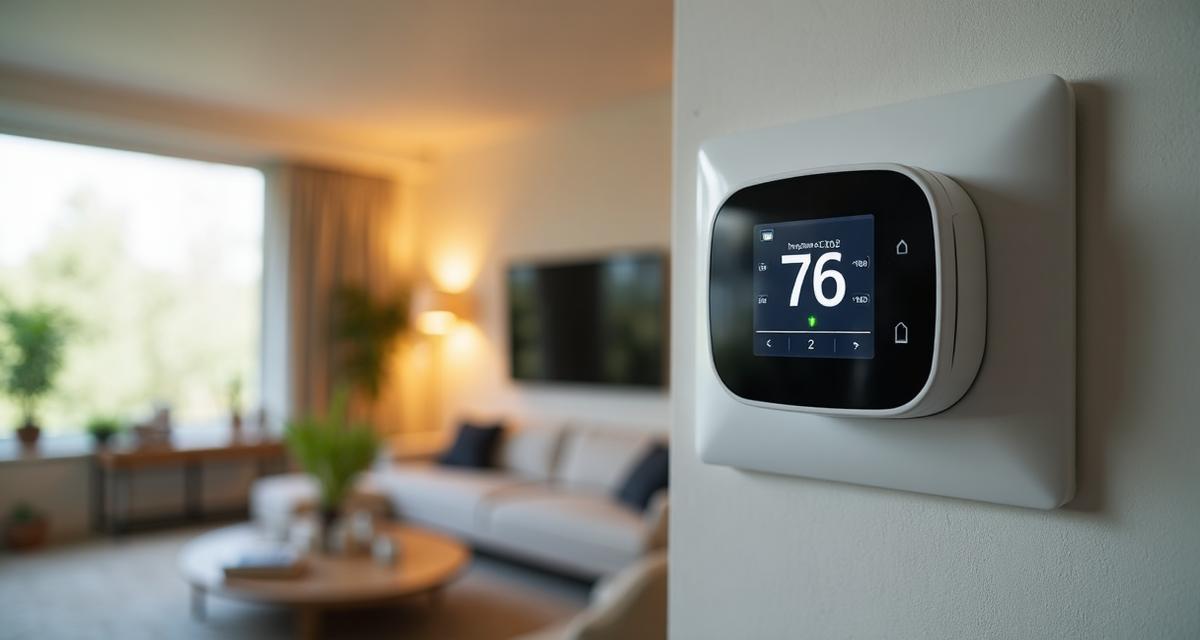
The Smart Home Energy Revolution
Traditional homes waste enormous amounts of energy through inefficient heating schedules, forgotten lights, and phantom loads from idle devices. Smart technology addresses these issues through automation, learning algorithms, and real-time feedback.
The key insight driving smart energy savings is simple: you cannot manage what you do not measure. Once you can see exactly where energy goes, reducing waste becomes straightforward.
Smart Thermostats: The Biggest Impact
Heating and cooling typically account for 40-60% of home energy use, making smart thermostats the highest-impact investment. These devices learn your schedule, detect when you are away, and optimize temperatures for efficiency.
Expected Savings
| Smart Thermostat | Key Features | Best For | Price |
|---|---|---|---|
| Nest Learning | Auto-learning, geofencing | Set-and-forget users | €200-250 |
| Ecobee Premium | Room sensors, voice control | Larger homes, zones | €200-280 |
| Tado° | Geofencing, radiator TRVs | European radiator systems | €150-300 |
| Honeywell Home T6 | Simple, reliable | Basic smart features | €100-150 |
| Hive Active | UK energy supplier integration | UK homes | €150-200 |
Try the Calculator
Use our free Celsius to Fahrenheit converter for instant, accurate results.
🌡️Convert °C → °FEnergy Monitors: Knowledge is Power
Real-time energy monitors show exactly how much power your home is using at any moment. This visibility alone typically reduces consumption by 5-15% as you become aware of energy-hungry devices and habits.
Whole-home monitors clamp onto your electrical panel and measure total consumption. Smart plugs monitor individual devices. The combination reveals exactly where your energy goes.
Finding Energy Vampires
Smart Lighting Strategies
Lighting accounts for 10-15% of home electricity. Smart lighting saves energy through:
- LED efficiency: Smart bulbs use 75-85% less energy than incandescent
- Automation: Lights turn off automatically when rooms are empty
- Scheduling: Outdoor lights follow sunset/sunrise
- Dimming: Reducing brightness by 25% uses 20% less energy
Start with high-traffic areas and outdoor lights for maximum impact.
Smart Plugs and Automation
Smart plugs are the most versatile smart energy devices. They can:
- Eliminate standby power by cutting power completely
- Schedule devices (water heater, pool pump) for optimal times
- Monitor consumption of individual appliances
- Integrate with solar systems to run loads during peak generation
| Application | Annual Savings | Cost | Payback |
|---|---|---|---|
| Entertainment center standby elimination | €15-30 | €15 | 6-12 months |
| Water heater timer (off-peak only) | €50-100 | €40 | 5-10 months |
| Pool pump scheduling | €100-200 | €20 | 1-3 months |
| EV charging optimization | €50-150 | €30 | 3-8 months |
Smart Radiator Valves and Zoning
Smart thermostatic radiator valves (TRVs) bring room-by-room control to existing radiator systems. Instead of heating the whole house uniformly, you can:
- Heat bedrooms only at night
- Reduce heating in rarely-used rooms
- Boost heating when rooms are occupied
- Detect open windows and stop heating automatically
Smart TRVs typically save an additional 10-15% beyond a smart thermostat alone.
Zoning Savings Example
Integration and Automation Tips
Smart energy devices work best when integrated:
- Geofencing: Thermostat reduces temperature when all phones leave home
- Solar integration: Run dishwasher and laundry during peak solar generation
- Time-of-use rates: Charge EV and run heavy loads during cheap off-peak hours
- Weather integration: Pre-heat home before cold weather arrives
Platforms like Home Assistant, Apple HomeKit, Google Home, and Amazon Alexa can orchestrate these automations.
Cost-Benefit Summary
Here is a realistic assessment of smart home energy investments for a typical home spending €2,000/year on energy:
| Investment | Cost | Annual Savings | Payback |
|---|---|---|---|
| Smart thermostat | €150-250 | €150-300 | 0.5-1.5 years |
| Energy monitor | €100-200 | €100-200 | 0.5-2 years |
| Smart TRVs (6 rooms) | €300-500 | €150-250 | 1.5-3 years |
| Smart plugs (10) | €100-150 | €50-100 | 1-3 years |
| Smart lighting (starter) | €100-200 | €30-60 | 2-5 years |
| TOTAL | €750-1,300 | €480-910 | 1-2 years |
❓Frequently Asked Questions
Related energy tools & guides
Part of the Home Energy hub — explore the connected calculators, guides and topics.
Free calculator — Home Energy
Home Energy Audit
Appliance-by-appliance annual kWh, running cost, CO₂ and share of bill. Surfaces standby losses and quick wins automatically.
Open calculator