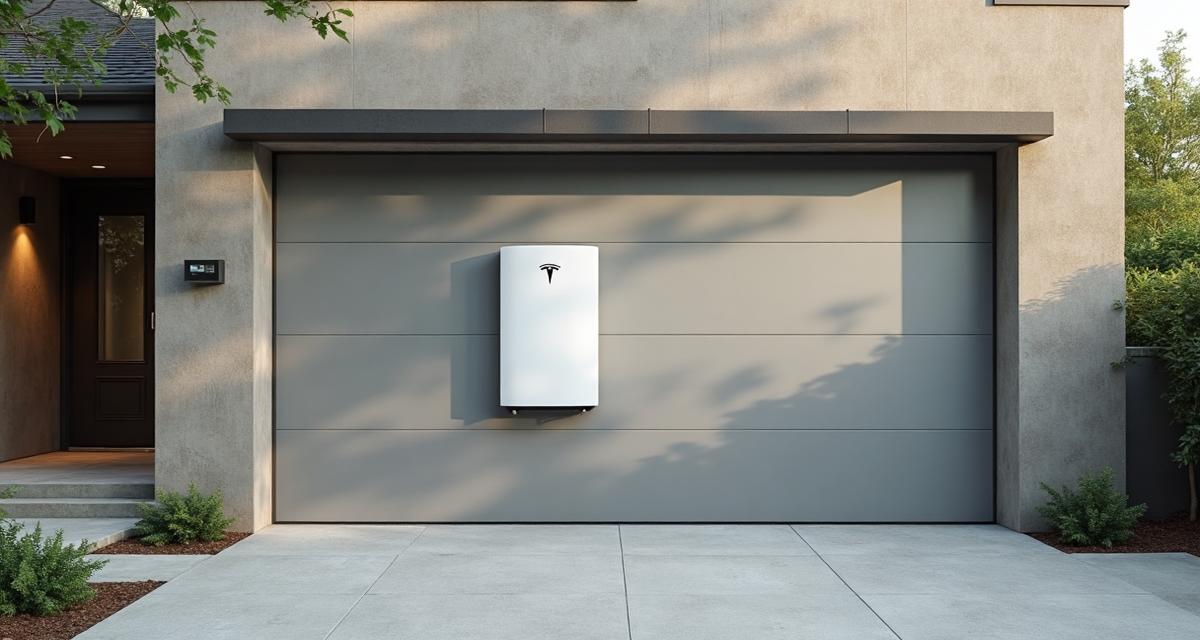
Why Home Battery Storage Matters
Home batteries solve the fundamental problem with solar energy: the sun does not shine at night when you need power most. Without storage, excess solar generation goes back to the grid (often at low feed-in rates), while you buy expensive grid power in the evening.
A home battery stores your solar surplus and releases it when you need it. This maximizes self-consumption of your free solar energy, provides backup during outages, and can even enable you to go completely off-grid in some locations.
Understanding Battery Capacity: kWh Explained
Battery capacity is measured in kilowatt-hours (kWh). One kWh powers a 1,000-watt appliance for one hour. A typical home uses 10-30 kWh per day depending on size and habits.
Battery Sizing Formula
Try the Calculator
Use our free Fahrenheit to Celsius converter for instant, accurate results.
🌡️Convert °F → °CTypes of Home Batteries
Most home batteries today use lithium-ion technology, specifically Lithium Iron Phosphate (LFP) or Nickel Manganese Cobalt (NMC). LFP batteries are safer and last longer but are slightly larger. NMC batteries are more compact but have shorter lifespans.
| Battery Type | Lifespan | Safety | Cost | Examples |
|---|---|---|---|---|
| LFP (Lithium Iron Phosphate) | 10-15 years | Excellent | €€€ | Tesla Powerwall 3, BYD |
| NMC (Nickel Manganese Cobalt) | 8-12 years | Good | €€ | LG RESU, Enphase |
| Lead Acid | 3-5 years | Good | € | Off-grid only |
| Sodium-ion | 10+ years | Excellent | €€ | CATL (emerging) |
Popular Home Battery Systems Compared
The market offers several excellent home battery options. The Tesla Powerwall remains the most recognized brand, but competitors now offer comparable or better specifications.
| System | Usable Capacity | Power Output | Warranty | Price (approx) |
|---|---|---|---|---|
| Tesla Powerwall 3 | 13.5 kWh | 11.5 kW | 10 years | €8,500-12,000 |
| BYD Battery-Box | 5.1-12.8 kWh | 5 kW | 10 years | €4,000-8,000 |
| Enphase IQ Battery | 3.4-10.1 kWh | 3.8 kW | 10 years | €4,000-10,000 |
| SonnenBatterie | 5-15 kWh | 3.3 kW | 10 years | €6,000-15,000 |
| Huawei LUNA | 5-15 kWh | 5 kW | 10 years | €3,500-9,000 |
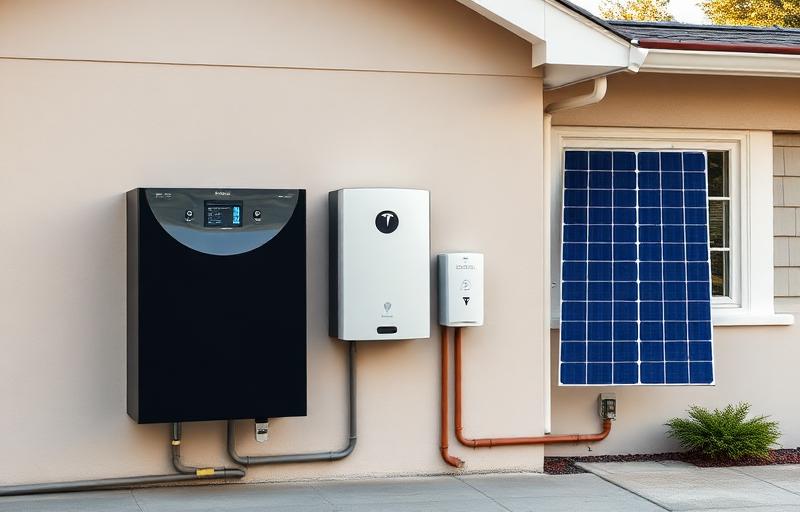
Calculating Your Savings
Battery savings depend on the difference between what you pay for grid electricity and what you receive for exported solar. The larger this gap, the faster a battery pays for itself.
Annual Savings Formula
Grid-Connected vs Off-Grid Systems
Most home batteries are grid-connected, meaning they work alongside your utility connection. These systems are simpler, cheaper, and still provide backup power during outages. Off-grid systems require larger batteries (multiple days of storage), backup generators, and careful load management. Going fully off-grid typically costs 3-5× more than a grid-connected setup.
Grid-Connected is Usually Best
Installation Requirements
Home batteries require professional installation by a certified electrician. Key considerations include:
- Location: Most batteries are wall-mounted in garages or utility rooms. They need ventilation and temperature control (0-40°C optimal).
- Electrical panel: You may need a subpanel for critical loads you want to power during outages.
- Inverter compatibility: Some batteries work only with specific inverters; others are inverter-agnostic.
- Permits: Most jurisdictions require electrical permits and utility notification.
Strategies to Maximize Battery Value
Beyond basic self-consumption, smart strategies can increase your battery ROI:
- Time-of-use arbitrage: Charge from the grid during cheap off-peak hours, discharge during expensive peak times.
- Virtual power plant (VPP): Some utilities pay you to discharge during grid stress events.
- EV integration: Use your EV battery for home backup (vehicle-to-home, or V2H).
- Load shifting: Run heavy appliances (dishwasher, laundry) during solar peak to maximize storage.
❓Frequently Asked Questions
Related energy tools & guides
Part of the Home Energy hub — explore the connected calculators, guides and topics.
Free calculator — Home Energy
Home Energy Audit
Appliance-by-appliance annual kWh, running cost, CO₂ and share of bill. Surfaces standby losses and quick wins automatically.
Open calculator