
Step 1 — Establish the Baseline
Collect 12 months of bills or meter readings for every fuel. A full year matters because heating, cooling and lighting change with the seasons.
- Electricity — kWh per month.
- Gas — kWh, or m³, cubic feet, MJ or therms. Convert to kWh with the gas to kWh converter, using the calorific value on your bill where stated.
- Oil, LPG, wood — delivered quantities and dates, with the energy content stated by your supplier.
- Tariff structure — unit rate, standing charge, and any time-of-use or tiered pricing. Standing charges do not change with use, so savings come only from the unit rate.
Plot the months. The shape shows the seasonal pattern; the total is your annual baseline.
Step 2 — Separate the Major Loads
Bills give totals; the next step is a rough split between space heating, water heating, cooling, appliances and lighting, and EV charging where relevant.
A useful first estimate for a fuel used for both heating and hot water is the summer method: months with no space heating approximate the year-round loads.
Illustrative: gas 13,500 kWh a year; summer months average 300 kWh each (hot water and cooking). Year-round loads: 300 × 12 = 3,600 kWh Space heating (estimate): 13,500 − 3,600 = 9,900 kWh
This is an approximation — hot-water use is often higher in winter — but it shows the order of magnitude. Do the same for electricity if you heat or cool with it. If an EV charges at home, a charger with its own meter separates that load directly.
Step 3 — Inspect the Building
Observation tells you what to investigate, not how many kWh it costs. Note what you find and where:
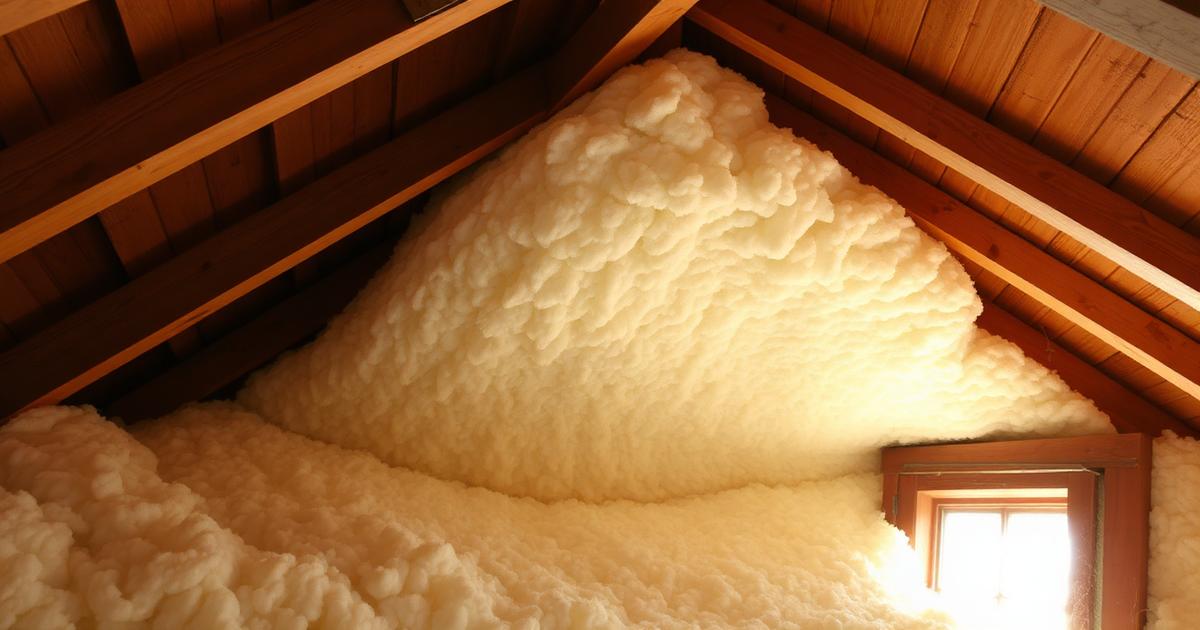
- Insulation — visible loft insulation depth and gaps, especially around hatches. Do not disturb insulation you cannot identify, and take care in lofts (joists, wiring).
- Windows and doors — draughts you can feel, worn seals, condensation between panes.
- Air leakage indicators — draughts at skirting boards, service entries, letterboxes and unused chimneys; cold spots and recurring condensation or mould.
- Heating distribution — radiators that are cold at the top or slow to heat, uninsulated pipes in unheated spaces.
- Controls — what the thermostat, timer and radiator valves are set to, and whether heating runs when rooms are empty.
- Hot-water system — cylinder insulation and the temperature setting. Do not lower stored hot water below what the manufacturer and local health guidance require for Legionella control.
Step 4 — Measure Where Possible
- Smart meter or in-home display — half-hourly or hourly readings show when energy is used. The overnight minimum is your always-on load.
- Manual baseline — read the electricity meter late at night with nothing deliberately running, again an hour later; the difference is kWh per hour of always-on load.
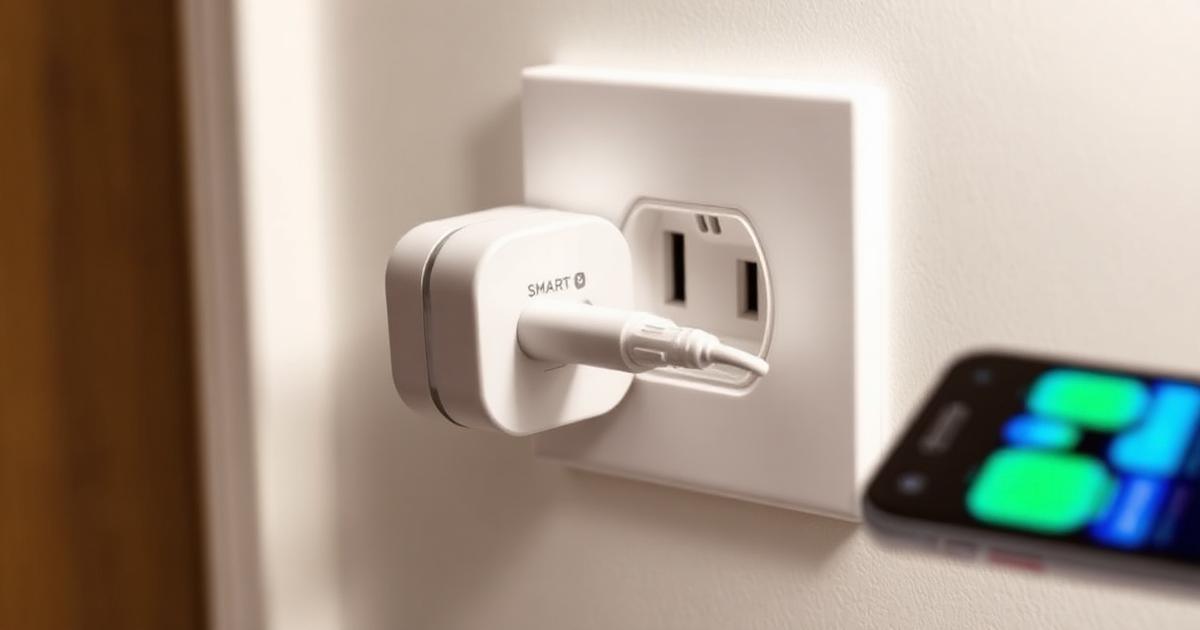
- Plug-in energy monitor — kWh over a typical day or week for any plug-in device. More reliable than a rating label, which shows maximum power, not typical use.
- Appliance labels — an upper limit for devices you cannot plug in.
- Heating-system records — boiler or heat-pump service records, controller energy reports, and the heat pump's own meter if it has one.
- Fuel deliveries — dated quantities show seasonal use for oil, LPG or wood.
The Standby Power Audit adds up always-on devices; the Home Energy Audit Calculator turns appliance power and hours into annual kWh and cost.
From Measurement to Annual kWh and Cost — Illustrative
Step 5 — Rank the Candidates
List each possible change and score it on five things. A rough rank you can explain beats a precise-looking number you cannot.
Simple Payback — Illustrative
| Criterion | Question to ask | Where the number comes from |
|---|---|---|
| Energy use | How many kWh does the affected load use now? | Steps 1–4 |
| Cost | Annual saving = kWh saved × unit rate; what does the change cost? | Your tariff and quotes |
| Feasibility | Can you do it, does it need a professional, permission or disruption? | Your situation |
| Expected lifetime | How many years will the measure or equipment last? | Manufacturer or installer |
| Confidence | Measured, estimated from bills, or a supplier claim? | How you got the kWh saved |
Know the Limits of DIY
A DIY audit is observation and measurement. These need a qualified professional:
- Electrical inspection — do not open consumer units, sockets or fixed wiring. Plug-in monitors and meter readings are the safe DIY tools.
- Combustion safety — gas, oil and solid-fuel appliances, flues and ventilation. If you suspect a problem, stop using the appliance and contact a registered engineer; fit and test carbon monoxide alarms.
- Refrigerant work — heat pumps and air conditioners are serviced by certified technicians.
- Building-envelope diagnosis — a blower-door test measures air leakage, thermal imaging can locate missing insulation inside walls, and moisture or structural problems need a surveyor. A room-by-room heat-loss calculation is the basis for sizing a heat pump.
Consider a professional assessment before major renovation or a heating-system change, and ask what the report will contain.
Next Decisions
An audit tells you which bigger decisions are worth investigating, with your own baseline as the input:
- Replacing a boiler with a heat pump — use your heating kWh from Step 2 in the Heat Pump Savings Calculator.
- Rooftop solar — use your electricity baseline and daytime use in the Solar Payback Calculator.
- Charging an EV at home — check charger power against your driving with the Home Charger Sizing Tool.
Doing the no-cost changes first means later systems are sized for the demand that remains. The Home Energy hub collects the related tools, and the methodology page documents their formulas.