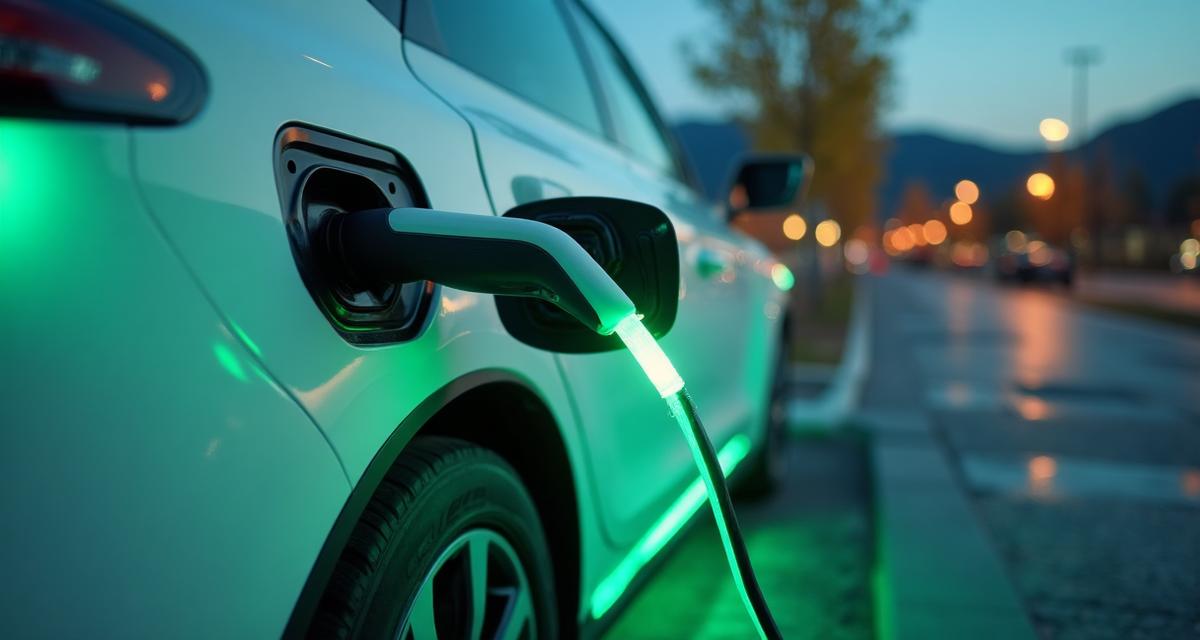
Understanding EV Charging Levels
Electric vehicles can be charged at three different levels, each with dramatically different speeds. Level 1 uses a standard household outlet (120V), Level 2 uses a dedicated 240V circuit, and Level 3 (DC Fast Charging) uses high-powered commercial stations.
How to Calculate EV Charging Time
The basic formula for calculating charging time is straightforward: divide your battery capacity by the charger power.
Charging Time Formula
EV Charging Speed Calculator
Use our calculator to estimate how much range you gain per hour of charging:
Try the Calculator
Use our free Miles to Kilometers converter for instant, accurate results.
📏Convert mi → kmCharging Level Comparison Table
This table shows the dramatic difference between charging levels:
| Charging Level | Power (kW) | Range Added/Hour | Full Charge Time* | Best For |
|---|---|---|---|---|
| Level 1 (120V) | 1.4 | 5-8 km | 40-60 hours | Emergency only |
| Level 2 (240V) | 7-22 | 40-130 km | 4-10 hours | Home/workplace |
| DC Fast (50kW) | 50 | 250-300 km | 1-1.5 hours | Road trips |
| DC Ultra-Fast | 150-350 | 400-600 km | 20-40 min | Highway stops |
How to Calculate EV Charging Cost
Calculating your charging cost is simple once you know your electricity rate and vehicle efficiency.
Cost Calculation
Home Charging vs Public Charging Costs
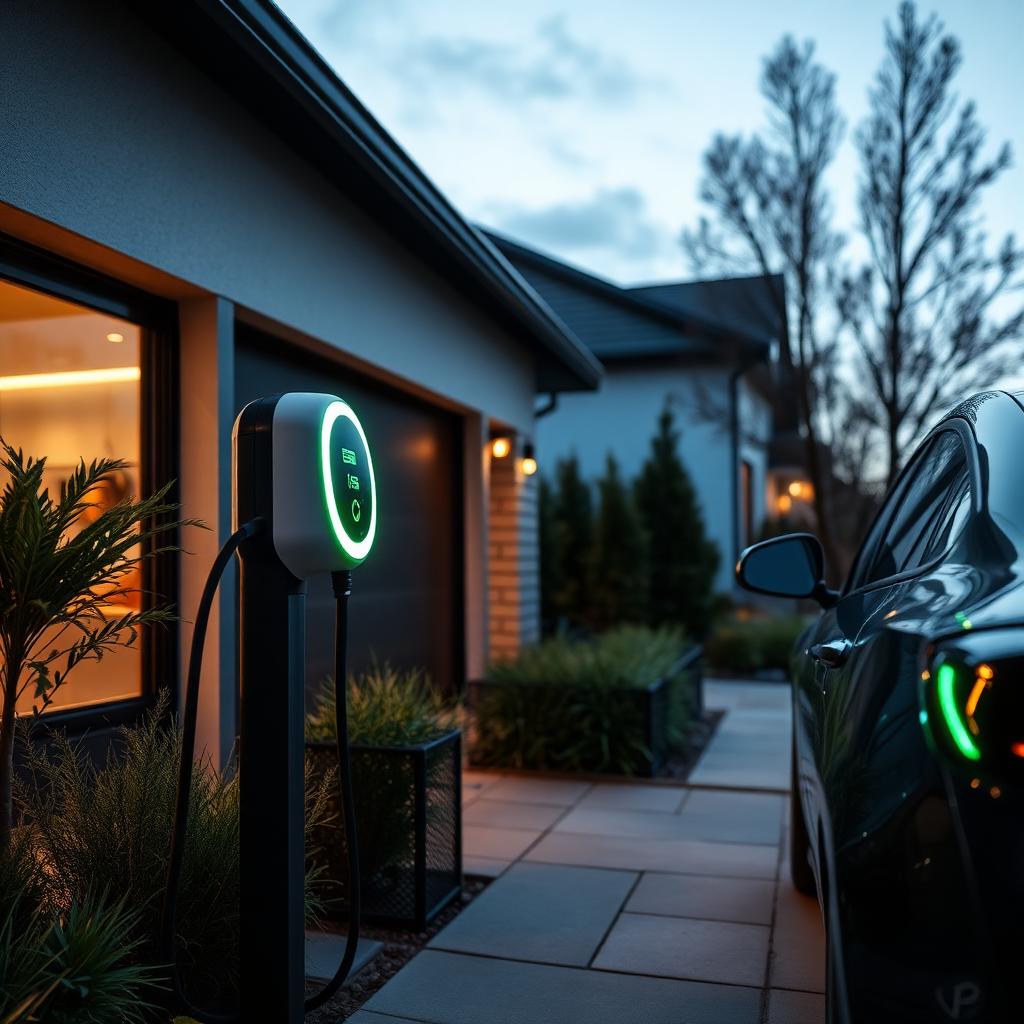
Where you charge significantly impacts your costs:
| Charging Location | Typical Price | Cost per 100 km* | Notes |
|---|---|---|---|
| Home (off-peak) | €0.10-0.15/kWh | €1.70-2.55 | Cheapest option |
| Home (standard) | €0.20-0.35/kWh | €3.40-5.95 | Still economical |
| Workplace | €0.00-0.25/kWh | €0-4.25 | Often free |
| Public Level 2 | €0.30-0.50/kWh | €5.10-8.50 | Convenient |
| DC Fast Charging | €0.40-0.80/kWh | €6.80-13.60 | Premium for speed |
Understanding Charging Efficiency Loss
Not all electricity from the grid ends up in your battery. Typical charging efficiency is 85-95%, meaning a 75 kWh battery actually requires 80-88 kWh from the grid to fully charge.
Efficiency Factors
Tips to Optimize Your EV Charging
Smart charging habits can save you money and extend battery life:
- Charge during off-peak hours - Electricity rates can be 50% lower at night
- Keep battery between 20-80% - Daily charging to 100% degrades battery faster
- Precondition while plugged in - Heat or cool your car before unplugging to save range
- Use scheduled charging - Most EVs let you set departure time for optimal charging
- Consider a home solar system - Free daytime charging with solar panels
How to Calculate EV Range from Battery Size
Battery size directly correlates to range, but efficiency varies by vehicle. A typical EV uses 15-20 kWh per 100 km. To estimate range, divide the battery capacity by consumption: Range (km) = Battery (kWh) ÷ Consumption (kWh/100km) × 100. For a 75 kWh battery at 17 kWh/100km: 75 ÷ 17 × 100 ≈ 441 km range.
Factors That Affect Real-World Range
EPA and WLTP range ratings are tested under ideal conditions. Real-world range is affected by:
Range Reduction Factors
❓Frequently Asked Questions
Related energy tools & guides
Part of the Electric Vehicles hub — explore the connected calculators, guides and topics.
Free calculator — Electric Vehicles
EV Charging Cost Calculator
Cost per session, per 100 km, per year — plus savings vs petrol and CO₂ avoided, with editable home/public tariff split.
Open calculator