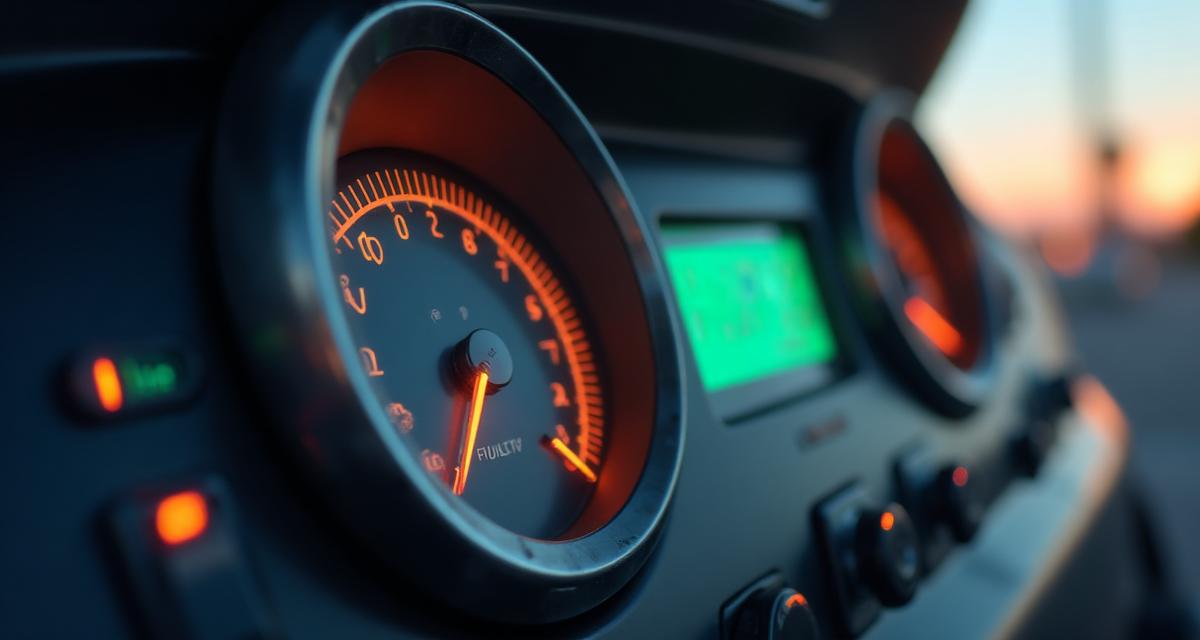
Understanding Fuel Efficiency Units
There are three main fuel efficiency measurements:
- MPG (Miles Per Gallon): Used in USA and UK (but with different gallon sizes!)
- L/100km (Liters per 100 kilometers): Used in Europe, Australia, and most of the world
- km/L (Kilometers per Liter): Used in Japan, India, and parts of Asia
The key difference: MPG measures distance per fuel (higher = better), while L/100km measures fuel per distance (lower = better).
MPG to L/100km Conversion Formula
Because mpg and L/100km are inverse relationships, the conversion uses division rather than multiplication:
Conversion Formulas
MPG to L/100km Conversion
To convert MPG (US) to L/100km: L/100km = 235.215 ÷ MPG. For example, 30 MPG = 235.215 ÷ 30 = 7.84 L/100km. To convert L/100km to MPG: MPG = 235.215 ÷ L/100km. For example, 8 L/100km = 235.215 ÷ 8 = 29.4 MPG.
Try the Calculator
Use our free Miles to Kilometers converter for instant, accurate results.
📏Convert mi → kmUS Gallons vs UK Gallons
A common source of confusion: US and UK gallons are different sizes!
Important Difference
MPG to L/100km Conversion Table
Quick reference for common fuel efficiency values:
| US MPG | UK MPG | L/100km | km/L | Efficiency Rating |
|---|---|---|---|---|
| 15 | 18 | 15.7 | 6.4 | Poor (Large SUV/Truck) |
| 20 | 24 | 11.8 | 8.5 | Below average |
| 25 | 30 | 9.4 | 10.6 | Average |
| 30 | 36 | 7.8 | 12.8 | Good |
| 35 | 42 | 6.7 | 14.9 | Very good |
| 40 | 48 | 5.9 | 17.0 | Excellent |
| 50 | 60 | 4.7 | 21.3 | Hybrid territory |
| 60 | 72 | 3.9 | 25.5 | Best hybrids |
What Is Good Fuel Efficiency?
Fuel efficiency standards and expectations:
| Vehicle Type | Poor | Average | Good | Excellent |
|---|---|---|---|---|
| City car | >7 L/100km | 6-7 | 5-6 | <5 |
| Compact | >8 L/100km | 7-8 | 5-7 | <5 |
| Sedan | >9 L/100km | 7-9 | 5-7 | <5 |
| SUV | >12 L/100km | 9-12 | 7-9 | <7 |
| Pickup truck | >15 L/100km | 12-15 | 10-12 | <10 |
| Hybrid | >5 L/100km | 4-5 | 3-4 | <3 |
Real-World vs Rated Fuel Economy
Official fuel economy ratings are tested under ideal conditions. Real-world consumption is typically 10-25% higher.
Factors Affecting Real-World Efficiency
Calculating Fuel Costs
Understanding efficiency helps you calculate driving costs:
Fuel Cost Formula
Comparing to Electric Vehicles
How do petrol and electric efficiency compare?
| Vehicle Type | Consumption | Cost per 100 km* | CO₂ per 100 km |
|---|---|---|---|
| Petrol (7 L/100km) | 7 L | €12.60 | 16.2 kg |
| Diesel (6 L/100km) | 6 L | €10.80 | 16.1 kg |
| Hybrid (4 L/100km) | 4 L | €7.20 | 9.2 kg |
| Electric (17 kWh/100km) | 17 kWh | €4.25 | 7.1 kg** |
How to Improve Your Fuel Efficiency
Simple changes can improve your fuel economy by 10-25%:
- Maintain steady speed: Use cruise control when possible
- Accelerate gradually: Aggressive acceleration wastes fuel
- Check tire pressure: Properly inflated tires reduce rolling resistance
- Remove excess weight: Every 50 kg costs about 1-2% efficiency
- Plan routes: Avoid traffic and combine trips
- Service regularly: Clean air filters and proper oil improve efficiency
- Use AC wisely: Windows down at low speeds, AC at high speeds
❓Frequently Asked Questions
Related energy tools & guides
Part of the Electric Vehicles hub — explore the connected calculators, guides and topics.
Free calculator — Electric Vehicles
EV Charging Cost Calculator
Cost per session, per 100 km, per year — plus savings vs petrol and CO₂ avoided, with editable home/public tariff split.
Open calculator