Why Kitchen Conversions Matter
Accurate measurements are crucial in cooking and especially in baking, where precision determines success. American recipes typically use volume measurements (cups, tablespoons), while European recipes often use weight (grams). Understanding conversions ensures your dishes turn out perfectly regardless of where the recipe originates.
The difference between a light, fluffy cake and a dense, heavy one often comes down to measurement accuracy. When you scoop flour directly from the bag, you can pack in up to 30% more than the recipe intended. This extra flour absorbs moisture, leaving you with dry, crumbly baked goods.
Professional bakers and pastry chefs almost universally use weight measurements because they eliminate variables. A gram is always a gram, regardless of humidity, altitude, or measuring technique. As you become more comfortable with conversions, you will find that cooking becomes more intuitive and your results more consistent.
Volume Conversions: Cups, Tablespoons, and Teaspoons
Volume measurements are the most common in American recipes. Understanding the relationships between cups, tablespoons, and teaspoons is fundamental to cooking success. These measurements work well for liquids and some dry ingredients where precision is less critical.
When measuring liquids, use a clear measuring cup with measurement lines marked on the side. Place the cup on a flat surface and read the measurement at eye level for accuracy. For dry ingredients measured by volume, use nested measuring cups designed to be filled to the brim and leveled.
| Measurement | Equivalent | Milliliters |
|---|---|---|
| 1 cup | 16 tablespoons | 237 ml |
| 3/4 cup | 12 tablespoons | 177 ml |
| 2/3 cup | 10 tbsp + 2 tsp | 158 ml |
| 1/2 cup | 8 tablespoons | 118 ml |
| 1/3 cup | 5 tbsp + 1 tsp | 79 ml |
| 1/4 cup | 4 tablespoons | 59 ml |
| 1 tablespoon | 3 teaspoons | 15 ml |
| 1 teaspoon | 1/3 tablespoon | 5 ml |
| 1/2 teaspoon | - | 2.5 ml |
| 1/4 teaspoon | - | 1.25 ml |
🧮Quick Calculator
1 cup = 0 mL
Weight Conversions: Ounces to Grams
Weight measurements are more accurate than volume, especially for dry ingredients. Professional bakers always weigh their ingredients because weight eliminates the variability of how ingredients settle, pack, or aerate.
Investing in a good digital kitchen scale is one of the best upgrades you can make for your cooking. Look for a scale that measures in both grams and ounces, has a tare function (to zero out the container weight), and can handle at least 5 kg or 11 pounds.
When following European recipes, you will encounter grams almost exclusively. When following American recipes, you might see ounces for meat, cheese, and packaged goods. Understanding both systems gives you access to recipes from around the world.
Quick Conversion Formulas
Try the Calculator
Use our free Cups (US) to Milliliters converter for instant, accurate results.
🍳Convert cup → mLCommon Ingredient Conversions
Different ingredients have different densities, so 1 cup of flour weighs differently than 1 cup of sugar. This is why weight measurements are so much more reliable than volume. A cup of sifted flour, spooned flour, and scooped flour can vary by 50 grams or more.
The table below shows approximate weights for common baking ingredients. Keep in mind that these can vary slightly based on brand, humidity, and measuring technique. When precision matters, always follow the weight measurements in a recipe rather than converting from cups.
| Ingredient | 1 Cup (grams) | Notes |
|---|---|---|
| All-purpose flour | 125g | Spooned and leveled |
| Bread flour | 130g | Slightly higher protein |
| Cake flour | 115g | Lighter and finer |
| Whole wheat flour | 120g | Varies by brand |
| Granulated sugar | 200g | Densely packed crystals |
| Brown sugar, packed | 220g | Press firmly into cup |
| Powdered sugar | 120g | Sift before measuring |
| Butter | 227g | 2 sticks (US) |
| Honey | 340g | Very dense liquid |
| Milk | 245g | Standard liquid |
| Heavy cream | 240g | Slightly lighter |
| Rolled oats | 90g | Loosely packed |
| Cocoa powder | 85g | Unsweetened |
Oven Temperature Conversions
Converting oven temperatures between Celsius and Fahrenheit is essential when following international recipes. European recipes typically use Celsius, while American recipes use Fahrenheit. Some older British recipes may also reference Gas Mark settings.
Oven temperatures can vary significantly from what the dial indicates. Consider using an oven thermometer to verify your actual oven temperature. Many ovens run hot or cold by 25 degrees or more, which can significantly affect baking results.
| Description | Fahrenheit | Celsius | Gas Mark |
|---|---|---|---|
| Very cool | 225°F | 110°C | 1/4 |
| Cool | 250°F | 120°C | 1/2 |
| Very low | 275°F | 135°C | 1 |
| Low | 300°F | 150°C | 2 |
| Moderately low | 325°F | 165°C | 3 |
| Moderate | 350°F | 180°C | 4 |
| Moderately hot | 375°F | 190°C | 5 |
| Hot | 400°F | 200°C | 6 |
| Very hot | 425°F | 220°C | 7 |
| Extremely hot | 450°F | 230°C | 8 |
| Broiling | 500°F | 260°C | 10 |
🧮Quick Calculator
1 °F = 0 °C
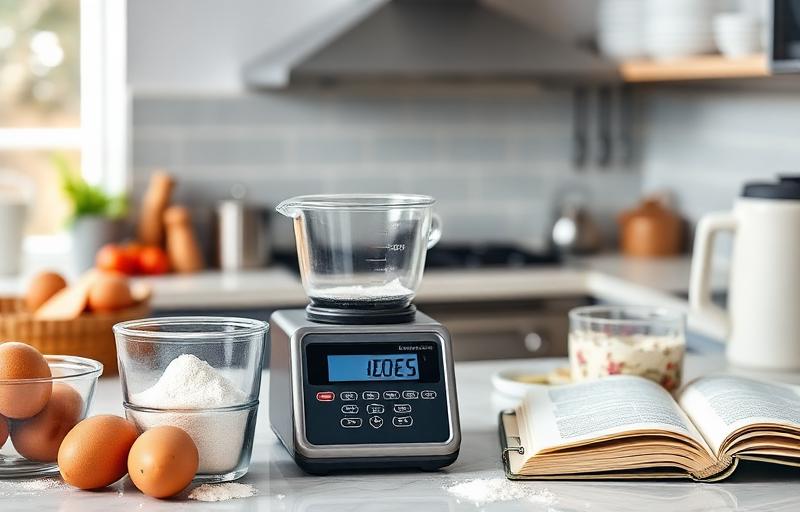
Liquid Measurements
Liquid ingredients need careful measurement for proper consistency in recipes. Unlike dry ingredients where a bit more or less might be forgiving, liquid ratios significantly affect the texture and structure of baked goods and sauces.
Always use liquid measuring cups for liquids. These cups have a pour spout and extra space above the top measurement line to prevent spilling. When measuring sticky liquids like honey or molasses, spray the measuring cup lightly with cooking spray first so the liquid slides out easily.
US vs UK Measurements
Butter Measurement Guide
Butter conversions can be confusing because American recipes often call for "sticks" of butter, which is a uniquely American packaging format. Each stick has measurement markings on the wrapper for easy tablespoon measurements.
European butter is typically sold in 250g or 500g blocks without measurement markings. If you need to measure butter from a block, weighing is the most accurate method.
| Butter Amount | Weight | Volume |
|---|---|---|
| 1 stick (US) | 113g (4 oz) | 1/2 cup / 8 tbsp |
| 1/2 stick | 57g (2 oz) | 1/4 cup / 4 tbsp |
| 1/4 stick | 28g (1 oz) | 2 tbsp |
| 2 sticks | 227g (8 oz) | 1 cup |
| 4 sticks | 454g (1 lb) | 2 cups |
| European block | 250g (8.8 oz) | 1 cup + 2 tbsp |
Egg Size Conversions
Most recipes assume large eggs unless otherwise specified. Egg sizes vary by country, and using the wrong size can affect your results, especially in baking where eggs contribute to structure and moisture.
If substituting different egg sizes, adjust based on weight. A large egg weighs about 50 grams in shell, or 46 grams without the shell. The white is about 30 grams and the yolk about 16 grams.
| US Size | Weight (no shell) | Substitution |
|---|---|---|
| Small | 43g | 2 small = 1.5 large |
| Medium | 50g | 5 medium = 4 large |
| Large | 56g | Standard recipe size |
| Extra Large | 63g | 4 XL = 5 large |
| Jumbo | 70g | 3 jumbo = 4 large |
Pro Tips for Accurate Measuring
Following these professional tips will dramatically improve your cooking consistency. Even small measurement errors can compound in a recipe, leading to unexpected results.
Measuring Best Practices
Scaling Recipes Up and Down
Sometimes you need to double a recipe for a party or halve it for just yourself. While scaling seems straightforward, some adjustments are not proportional.
For most ingredients, simple multiplication or division works. However, leavening agents like baking powder and baking soda should be scaled slightly less than proportionally when doubling. Salt and spices often need even less adjustment, as flavors concentrate differently in larger batches.
Cooking and baking times also change when scaling. Larger quantities take longer to cook through. When doubling a recipe, expect to add 25-50% more time. When halving, reduce time by 25-30% and check for doneness early.