Understanding Ounces and Grams
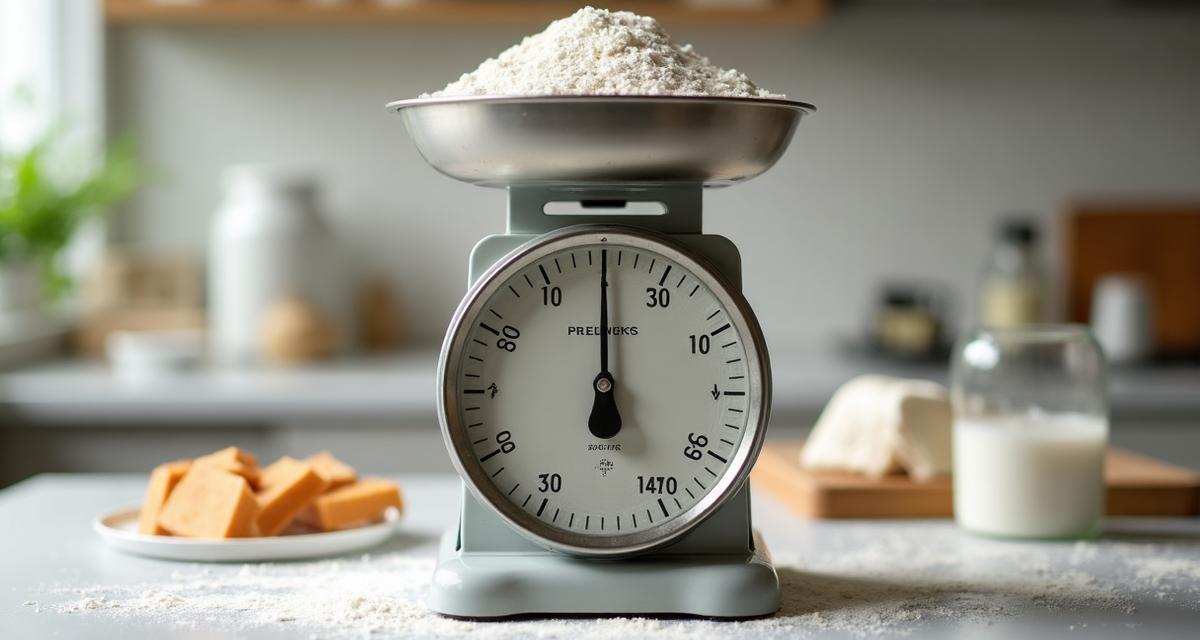
Before diving into conversions, it's important to understand what these units represent and why they exist. The ounce (oz) is a unit of mass used primarily in the United States and a few other countries that still use the imperial system. The gram (g) is the base unit of mass in the metric system, used by the vast majority of countries worldwide.
The metric system was developed in France during the late 18th century to create a universal, decimal-based measurement system. One gram is defined as one-thousandth of a kilogram, which itself is based on a physical constant of nature. The ounce, on the other hand, has historical roots in Roman measurements and evolved over centuries through British trade standards.
Today, understanding both systems is crucial for international cooking, online shopping, scientific work, and travel. While the metric system is more logical and widely used, ounces remain common in American recipes, nutrition labels, and everyday measurements.
Did You Know?
The Ounces to Grams Formula
The conversion from ounces to grams is straightforward once you know the exact relationship between these units. One ounce equals exactly 28.349523125 grams. For most practical purposes, you can round this to 28.35 grams per ounce.
To convert any weight from ounces to grams, simply multiply the number of ounces by 28.35. This gives you an accurate result that works for cooking, shipping, and most everyday applications. For scientific work or precious metals, you might want to use the more precise factor of 28.349523125.
Conversion Formula
Step-by-Step Conversion Examples
Let's work through several practical examples to solidify your understanding of ounce to gram conversions. These examples cover common scenarios you're likely to encounter in daily life.
Example 1: Converting Recipe Ingredients
Imagine you're following an American cookie recipe that calls for 8 ounces of chocolate chips, but your kitchen scale only shows grams.
Step 1: Identify the number of ounces: 8 oz Step 2: Multiply by 28.35: 8 × 28.35 = 226.8 grams Step 3: Round for practical use: 227 grams of chocolate chips
This small rounding won't affect your recipe noticeably, but you'll achieve the same delicious results as the original recipe intended.
Example 2: Calculating Shipping Weight
You need to ship a package internationally and the carrier requires weight in grams. Your bathroom scale shows 12.5 ounces.
Step 1: Identify the weight: 12.5 oz Step 2: Multiply by 28.35: 12.5 × 28.35 = 354.375 grams Step 3: Round up for shipping (carriers typically round up): 355 grams
Always round up when calculating shipping weight to avoid unexpected charges or package returns.
Try the Calculator
Use our free Ounces to Grams converter for instant, accurate results.
⚖️Convert oz → gExample 3: Nutrition Label Reading
A nutrition label shows a serving size of 1.5 ounces. You want to know how many grams that is to compare with another product.
Step 1: Identify the serving size: 1.5 oz Step 2: Multiply by 28.35: 1.5 × 28.35 = 42.525 grams Step 3: Round appropriately: approximately 43 grams per serving
This helps you make accurate comparisons between products that use different measurement systems.
Ounces to Grams Calculator
Skip the math and use our free calculator below to instantly convert any weight from ounces to grams. Simply enter your value and get accurate results immediately.
🧮Quick Calculator
1 oz = 0 g
Ounces to Grams Conversion Table
Reference this handy table for quick conversions without needing a calculator. These values cover the most commonly needed conversions for cooking, baking, and everyday use.
| Ounces (oz) | Grams (g) | Common Use |
|---|---|---|
| 0.25 | 7.1 | Small spice quantity |
| 0.5 | 14.2 | Half portion |
| 1 | 28.35 | Single portion snacks |
| 2 | 56.7 | Cheese serving |
| 3 | 85.1 | Protein serving |
| 4 | 113.4 | Quarter pound |
| 5 | 141.75 | Medium ingredient amount |
| 6 | 170.1 | Yogurt container |
| 8 | 226.8 | Standard butter stick |
| 10 | 283.5 | Common recipe amount |
| 12 | 340.2 | Three-quarter pound |
| 16 | 453.6 | One pound |
Ounces to Grams in Cooking and Baking
Cooking and baking are the most common reasons people need to convert ounces to grams. International recipes, professional baking, and precise cooking all benefit from understanding this conversion.
Baking, in particular, is a science where precision matters. Professional bakers almost universally use grams because they provide more accurate measurements than volume-based cups and tablespoons. A cup of flour can vary by 30% or more depending on how it's scooped, but 120 grams of flour is always exactly 120 grams.
When converting American recipes that use ounces, switching to grams can actually improve your results. Gram measurements eliminate the variability of cup measurements and help ensure consistent outcomes every time you bake.
Pro Baking Tip
Common Ingredient Weights in Ounces and Grams
Here are common baking ingredients with their typical weights in both measurement systems. Keep this reference handy when adapting recipes.
| Ingredient (1 cup) | Ounces | Grams |
|---|---|---|
| All-purpose flour | 4.25 | 120 |
| Bread flour | 4.5 | 127 |
| Cake flour | 4 | 113 |
| Granulated sugar | 7 | 200 |
| Brown sugar (packed) | 7.5 | 213 |
| Powdered sugar | 4 | 113 |
| Butter | 8 | 227 |
| Honey | 12 | 340 |
| Milk | 8.5 | 242 |
| Cocoa powder | 3 | 85 |
| Rolled oats | 3.5 | 99 |
| Chocolate chips | 6 | 170 |
Quick Mental Math Tricks
Sometimes you need a quick estimate without reaching for a calculator. These mental math shortcuts will help you approximate ounce-to-gram conversions on the fly.
The simplest trick is to multiply by 30 instead of 28.35. This slightly overestimates the result but is much easier to calculate mentally and accurate enough for most cooking purposes.
Another approach: multiply by 25 and add 10%. For example, 4 ounces: 4 × 25 = 100, plus 10% = 110 grams (actual: 113.4 grams). This method is slightly more accurate than multiplying by 30.
For very rough estimates, remember that 1 ounce is about 30 grams, 4 ounces is about 115 grams (roughly a quarter pound), and 16 ounces is about 454 grams (one pound).
Memory Anchors
Converting Grams to Ounces
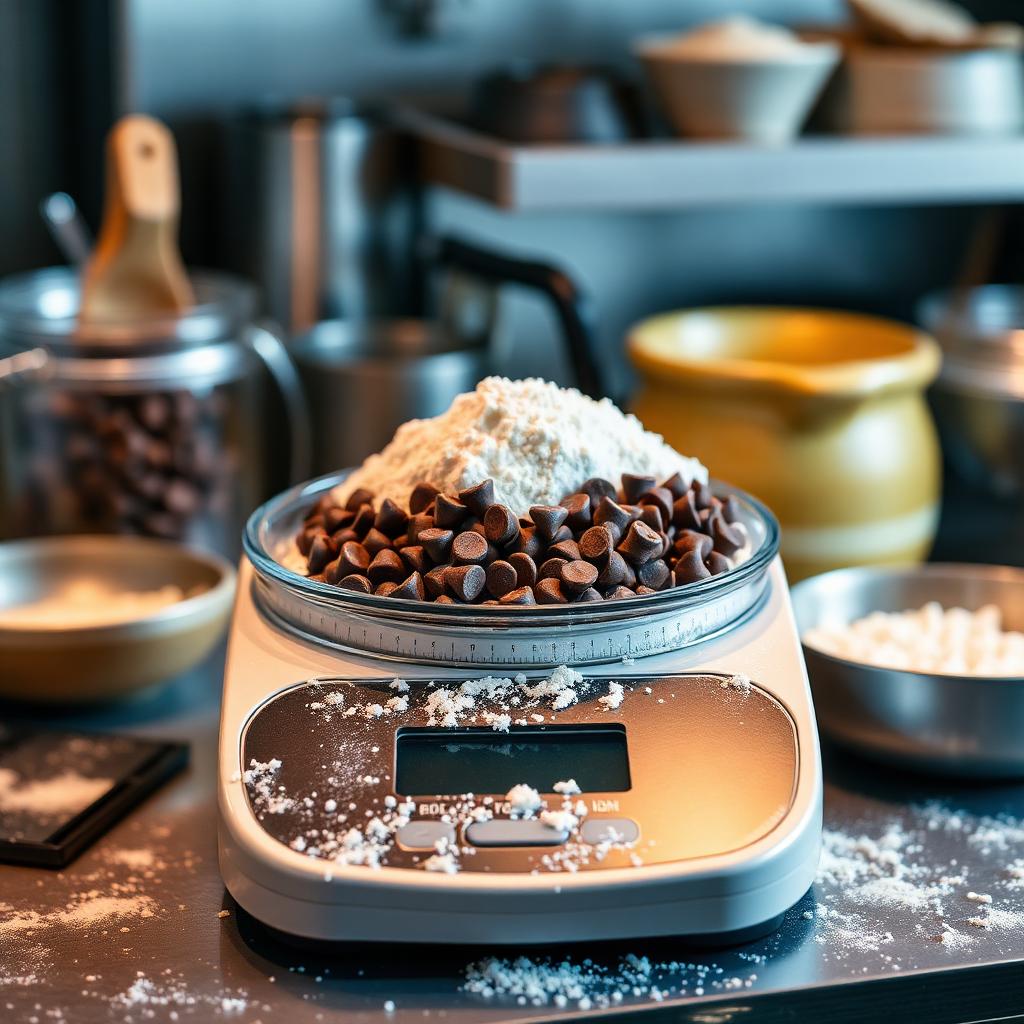
While this guide focuses on converting ounces to grams, you'll sometimes need to go in the reverse direction. Perhaps you're following a European recipe and want to convert it for an American audience, or you're comparing products sold in different measurement systems.
To convert grams to ounces, divide the number of grams by 28.35. For mental math, divide by 30 for a quick estimate.
Reverse Conversion Formula
Practical Applications Beyond the Kitchen
While cooking is the most common use for ounce-to-gram conversions, this skill applies to many other areas of life.
Postal and Shipping Calculations
International shipping often requires weight in grams or kilograms. When mailing packages overseas or using international carriers, converting from ounces ensures you select the correct postage and avoid delays. Most postal services have weight thresholds at common gram values (50g, 100g, 250g, 500g, etc.), so knowing your package weight in grams helps you optimize shipping costs.
Jewelry and Precious Metals
Note that precious metals use a different ounce—the troy ounce—which equals approximately 31.1 grams. When buying gold, silver, or platinum, always confirm whether prices are quoted in troy ounces or avoirdupois ounces. A troy ounce of gold weighs about 10% more than a regular ounce.
Important Distinction
Health, Fitness, and Nutrition
Tracking macronutrients and calories often requires converting between ounces and grams. Many nutrition databases list values per 100 grams, while American food labels use ounces. Converting between these helps you accurately log your food intake.
For example, if you eat 6 ounces of chicken breast and your nutrition app wants the weight in grams, you'd convert: 6 × 28.35 = 170 grams.
International Commerce and E-commerce
Buying products from international sellers often means encountering gram measurements. Whether you're ordering specialty foods, cosmetics, or materials, understanding the conversion helps you compare prices and quantities accurately. A 50-gram tea tin is about 1.76 ounces—useful to know when comparing with locally-sold 2-ounce tins.
Common Mistakes to Avoid
Even simple conversions can lead to errors if you're not careful. Here are the most common mistakes people make when converting ounces to grams, and how to avoid them.
Confusing Fluid Ounces with Weight Ounces
This is the most common mistake. Fluid ounces (fl oz) measure volume, while ounces (oz) measure weight. They're completely different units that happen to share a name. Eight fluid ounces of water weighs approximately 8 ounces—but this is a coincidence that only works for water. Eight fluid ounces of honey weighs about 12 ounces because honey is denser than water.
Always check whether a recipe specifies "oz" (weight) or "fl oz" (volume). For weight conversions, you need the weight ounce.
Critical Distinction
Rounding Errors in Calculations
Small rounding errors can compound when converting multiple ingredients. If you're following a recipe with many ingredients, use 28.35 (or the full precision factor) rather than rounding to 28 or 30. The cumulative error from rounding can significantly affect results in precise applications like baking.
Tools and Resources for Accurate Conversions
While mental math and formula knowledge are valuable, having the right tools makes conversions effortless and error-free.
A digital kitchen scale with a grams/ounces toggle is the single most useful tool for anyone who cooks regularly. Look for one with at least 1-gram precision and a tare (zero) function. Scales ranging up to 5kg (11 lb) cover most home cooking needs.
Smartphone apps can handle quick conversions when you're away from your kitchen. Many cooking apps include built-in unit converters. Our SnapUnitConverter website works on any device and handles ounces to grams conversions instantly.
For frequent reference, consider printing a conversion chart to keep in your kitchen. Laminate it to protect from spills and cooking messes.
The History of Ounces and Grams
Understanding the history of these units helps explain why conversion is necessary in the first place.
The ounce has ancient roots. The word comes from the Latin "uncia," meaning one-twelfth, because the ounce was originally 1/12 of the Roman pound (libra). Over centuries, different regions developed their own variations. The avoirdupois ounce we use today was standardized in England for trade purposes and later adopted by the United States.
The gram emerged from the French Revolution's push for rational, universal standards. Scientists in 1795 defined the gram as the mass of one cubic centimeter of water at its maximum density. This definition tied mass to the metric system's elegant decimal structure and the physical properties of water.
Today, the gram is defined through the International Prototype of the Kilogram and, since 2019, through the Planck constant—an unchanging fundamental physical constant. This makes metric measurements truly universal and reproducible anywhere in the world.
Mastering Ounce to Gram Conversions
Converting ounces to grams is a fundamental skill that serves you in the kitchen, marketplace, and beyond. Remember the key factor—28.35 grams per ounce—and you'll handle any conversion with confidence.
For quick mental estimates, multiply by 30. For precise baking and scientific work, use the exact factor of 28.349523125. And when accuracy matters most, use a digital scale that displays both units.
With practice, these conversions become second nature. You'll find yourself effortlessly adapting international recipes, comparing product sizes, and navigating a world that uses two different measurement systems. The more you use these conversions, the more intuitive they become.