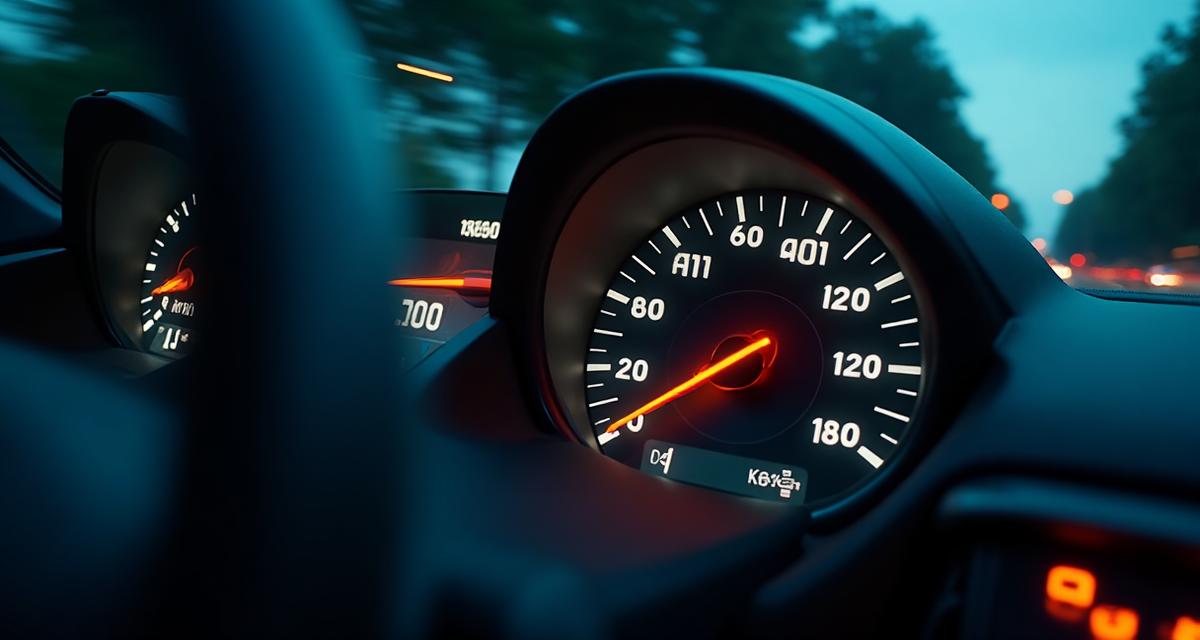
Understanding m/s and km/h
Meters per second (m/s) is the SI unit of speed, used in scientific contexts worldwide. It tells you how many meters an object travels in one second. Kilometers per hour (km/h) is more commonly used in everyday life, especially for vehicle speeds in most countries outside the United States.
Both units measure the same thing—speed—but on different scales. Scientific measurements and physics problems typically use m/s because it integrates seamlessly with other SI units, while km/h is more intuitive for humans since we can better visualize distances in kilometers and time periods in hours.
Did You Know?
The Conversion Formula
To convert from m/s to km/h, you need to understand the relationship between these units. There are 1,000 meters in a kilometer and 3,600 seconds in an hour (60 seconds × 60 minutes). This gives us our conversion factor of 3.6.
Conversion Formula
Try the Calculator
Use our free Meters per Second to Kilometers per Hour converter for instant, accurate results.
🚀Convert m/s → km/hSpeed Conversion Formula
To convert meters per second to kilometers per hour, multiply by 3.6. Formula: km/h = m/s × 3.6. For example, 10 m/s = 10 × 3.6 = 36 km/h. To convert from km/h to m/s, divide by 3.6.
Real-World Speed Examples
Understanding common speeds helps put these conversions in perspective:
Walking speed: About 1.4 m/s (5 km/h) Jogging: About 2.8 m/s (10 km/h) Usain Bolt top speed: 12.4 m/s (44.6 km/h) City driving: 13.9 m/s (50 km/h) Highway driving: 27.8 m/s (100 km/h) Cheetah top speed: 33.3 m/s (120 km/h) Commercial airplane: 250 m/s (900 km/h)
Quick Reference Table
Use this table for common speed conversions:
| m/s | km/h | Context |
|---|---|---|
| 1 | 3.6 | Slow walk |
| 2 | 7.2 | Brisk walk |
| 5 | 18 | Cycling leisurely |
| 10 | 36 | Fast cycling |
| 15 | 54 | City speed limit |
| 20 | 72 | Suburban driving |
| 25 | 90 | Highway minimum |
| 30 | 108 | Highway cruising |
| 50 | 180 | High-speed train |
| 100 | 360 | Racing car |
Applications in Physics
In physics, m/s is preferred because it simplifies calculations with other SI units. When calculating kinetic energy (KE = ½mv²), using m/s for velocity gives energy directly in joules. Similarly, when using Newtons equations of motion or calculating acceleration (m/s²), having velocity in m/s keeps all units consistent.
If you are solving physics problems and need to convert given speeds from km/h to m/s for calculations, simply divide by 3.6 instead of multiplying.