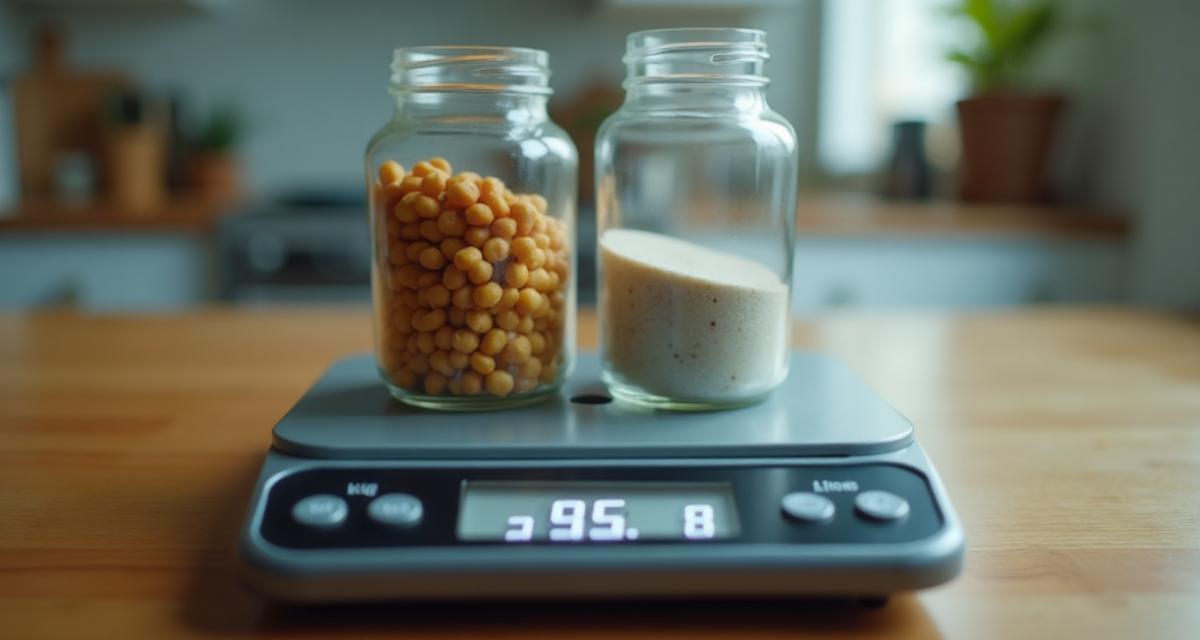
The Kilogram-Gram Relationship
The prefix "kilo-" means thousand, so one kilogram is exactly 1,000 grams. This logical structure is one of the great advantages of the metric system—conversions are always based on powers of 10.
The gram is the base unit of mass in the metric system, while the kilogram is the standard SI unit used for most practical weight measurements. Both are essential for different applications.
Conversion Formula
Kilograms to Grams Calculator
Use our calculator to instantly convert any weight from kilograms to grams.
🧮Quick Calculator
1 kg = 0 g
Try the Calculator
Use our free Kilograms to Grams converter for instant, accurate results.
💊Convert kg → gCommon Conversions Table
Reference these common kilogram to gram conversions:
| Kilograms | Grams | Common Example |
|---|---|---|
| 0.1 | 100 | Small apple |
| 0.25 | 250 | Pack of butter |
| 0.5 | 500 | Loaf of bread |
| 1 | 1000 | Liter of water |
| 1.5 | 1500 | Small laptop |
| 2 | 2000 | Bag of sugar |
| 2.5 | 2500 | Newborn baby |
| 5 | 5000 | Bag of flour |
| 10 | 10000 | Watermelon |
| 25 | 25000 | Luggage limit |
Cooking and Baking Uses
Professional recipes often use grams for precision, while larger quantities are in kilograms:
Ingredients under 1 kg are typically listed in grams (250g flour, 150g sugar) Bulk ingredients may be in kilograms (2 kg chicken, 1.5 kg potatoes)
Knowing the conversion helps when scaling recipes or shopping for ingredients sold by different units.
Kitchen Tip
Shipping and Postal Uses
Shipping rates often have thresholds at specific weights:
Letters: Usually under 100g Small packets: Up to 2 kg (2,000g) Standard parcels: Various weight brackets in kg Airline luggage: Typically 20-23 kg limits
Converting to grams helps when you are close to a weight threshold and need to know if removing items will make a difference.
Quick Mental Math
Converting between kg and g is simply about moving the decimal point:
Kg to g: Move decimal 3 places right (or add 3 zeros) - 1.5 kg → 1500 g - 0.75 kg → 750 g
G to kg: Move decimal 3 places left - 2500 g → 2.5 kg - 750 g → 0.75 kg
This makes mental calculations quick and easy.